Showing posts with label dry mouth. Show all posts

Wednesday, June 3, 2009

Treating Dry Mouth


Dry mouth, or xerostomia, is a state where there is a lack of saliva flow in your mouth. If dry mouth is caused by certain medications, your doctor may adjust their dosage or substitute them with other drugs that do not cause xerostomia.

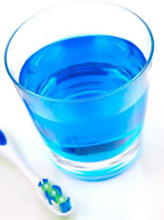
Your doctor or your dentist may also prescribe you a mouthwash to partially clean your mouth and keep it moist. If there is no improvement, drugs called Pilocarpine (Salagen™) and Cevimeline (Evoxac™) help stimulating the production of saliva in your mouth and they may also be prescribed by your doctor.

Other measures that can help the production of saliva include:


  • Drink plenty of water to keep your mouth hydrated and moist

  • Complete stop of tobacco use.

  • Do not use a mouthwash that contains alcohol because they tend to dry out your mouth.

  • Reduce alcoholic drinks.

  • Have a sugarless candy or chew on sugarless gum.

  • Protect your teeth by brushing with toothpaste containing fluoride, use a mouthwash containing fluoride, and visit your dentist regularly for routine checkups.

  • Avoid foods containing caffeine because this substance decreases the amount of saliva in your mouth.

  • Add a humidifier in your bedroom to increase the humidity in the air.

  • Breathe through your nose instead of your mouth as much as possible.


Source: How Can You Treat Dry Mouth?
Full Article: Xerostomia
In French: Traiter la bouche sèche

Monday, June 1, 2009

Symptoms of Dry Mouth


Xerostomia is a state where the mouth lacks saliva, giving an uncomfortable feeling of dryness. Dry mouth has many causes, and it’s sometimes possible to treat it or at least make it more comfortable. When you know the symptoms of xerostomia, you can consult your doctor or your dentist in order to discuss whether or not you have dry mouth and what you can do about it.

Here are the main symptoms of xerostomia:


  • A sticky and dry feeling in your mouth.

  • Bad breath.

  • Being thirsty all the time.

  • Minor injuries in your mouth, whether they are located on your gums, on your cheeks, or outside on your lips.

  • Feeling of dryness and constant pain in the throat.

  • Burning or tingling feeling in your mouth or on your tongue.

  • Your tongue might become dry and appear red.

  • It becomes harder to talk, to taste, to chew and to swallow foods.

  • Dry nose and throat.


Source: How Can You Tell That You Have Dry Mouth?
Full Article: Xerostomia
In French: Symptômes de la bouche sèche

Diseases and Dry Mouth


Xerostomia is a state where the mouth lacks saliva, giving the feeling of dryness. Dry mouth has many causes, including bad habits, some prescribed drugs or even existing diseases:


  • Sjögren's syndrome is an autoimmune disorder in which immune cells attack and destroy salivary glands that produce saliva.

  • One of the side effects of having HIV (AIDS) is dry mouth.

  • Alzheimer's disease causes frequent dehydration, therefore dry mouth is a problem in Alzheimer's patients, particularly in the later stages.

  • Dry mouth may be the symptoms of undetected or badly treated diabetes.

  • One of the signs of iron deficiency anaemia is dry mouth.

  • One of the signs cystic fibrosis is also dry mouth.

  • Some patients with rheumatoid arthritis develop Sjögren's syndrome, which leads to dry mouth and dry eyes.

  • One of the side effects of high blood pressure medication is dry mouth.

  • Some Parkinson's disease’s medication cause dry mouth.

  • Cancer treatments, which include chemotherapy and radiotherapy, can cause dry mouth.

  • A person who has suffered from stroke is very likely to have dry mouth.

  • One of the symptoms of mumps is dry mouth.


Source: What Diseases Might Cause You to Have Dry Mouth?
Full Article: Xerostomia
In French: Maladies causant la xérostomie