Saturday, May 23, 2009

Alcohol and Tooth Extraction

After you have had a tooth pulled out, or after any kind of surgery in your mouth, there shouldn't be officially any problems for having an alcoholic drink.

The important thing to consider is that after that kind of surgery, the dentist or dental surgeon usually prescribes medication, either antibiotics or pain killers. Most of those drugs should not be mixed with alcohol at all. Sometimes such a mix can even be poisonous.

Therefore, to be on the safe side, it is advisable to avoid alcohol after a tooth extraction or any type of oral surgery. This can also be discussed with your dentist after the extraction.

Full article: Can you Drink Alcohol after a Tooth Extraction?
In French: Alcool et extraction dentaire

Wednesday, March 11, 2009

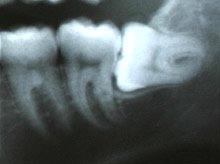
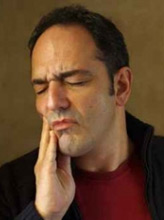
I Have a Tooth Abscess?

When you hear the word abscess, and when you know that it is located in someone's mouth, all that you can think about is pain! Although an abscess can occur without being sore, it can sometimes become a very painful occurrence!

A tooth abscess is an infection caused by bacteria and other harmful microbes. It can either originate from the gums, or from the tooth itself. Either way the infection must previously be treated by drainage or by taking antibiotics. Proper treatment should be done next.

If the infection comes from the tooth itself, the main cause would have been either a cavity, a fracture or some trauma on that tooth that may have occurred recently or many years before. If the tooth can be fixed, it might need a root canal and then probably a crown.

If the abscess originates from the gums instead, then the infection should be controlled around that area. After the antibiotics treatment, you might need a curettage or gum surgery to get rid of all the infection in the gums.

An abscess in the mouth should be cared for urgently. If left untreated, the infection can reach other parts of the body and cause serious illnesses to other organs. It is known in the medical community that gum infections can worsen diabetes, heart disease and pregnancy.

Friday, January 16, 2009

Suzanne Godin

Suzanne Godin is a dental assistant who focuses on orthodontics. With over 15 years of experience, she worked at Dentspa since 1993. She has made hundreds of children, adolescents and adults happier with their smiles because with well aligned teeth people have more self-esteem, and have a better sense of well-being.

Under the supervision of Dr. Pascal Terjanian, Suzanne works in a meticulous way in order to provide the best care for her patients, while maintaining a remarkable gentleness, making every appointment with her comfortable and enjoyable. Her delicate touch and contagious smile are quickly noticed by children who then trust Suzanne, especially in less pleasant steps such as taking teeth impressions.

Suzanne uses several orthodontics techniques, which go from conventional metal brackets, white porcelain brackets, and invisible orthodontics (Invisalign). With all these choices of treatment it is possible to make a decision that best suits everyone’s needs.

In French: Suzanne Godin

Sunday, December 14, 2008

Wisdom Teeth Recovery

Removing your wisdom teeth is not the most fun thing to do. Some people get really nervous about the procedure, but knowing what to expect can reduce the worries. Remember that during the surgery, you are totally numb and should not feel a thing. Here is what to do after wisdom tooth extraction in order to recover comfortably:

  • Right after surgery, your mouth is still numb. You must therefore be careful not to bite the inside of your cheeks.


  • Bleeding lasts a few minutes after surgery. You may bleed again during that day or the next day. Use cotton gauze and bite on them to produce pressure on the extraction sites. This will help the blood clots to form properly. If you do not have gauze anymore, use wet tea bags.


  • Do not spit out the blood, but instead let if flow outside of your mouth.


  • Use an ice pack by putting it against your cheek for the first 24 hours. If you had all your wisdom teeth removed, alternate between the right and the left cheeks every 10 minutes.


  • Do not engage in physical activities for the first 2-3 days. Playing sports might increase bleeding.


  • Eat soft foods that are neither too warm, neither too cold. Your diet may consist of pudding and soup at first, but gradually add solid foods as healing progresses.


  • After 24 hours, rinse your mouth with warm water and salt several times a day.


  • Do not use a straw while drinking liquids.


  • Do not smoke for at least 48 hours! Smoking increases the risks of having dry socket, which is an uncomfortable and painful condition where the blood clot does not form properly.


  • Continue brushing your teeth, but go softly around the wisdom teeth extraction area.


One or two weeks after your wisdom teeth removal your mouth should feel very comfortable. The holes in your gums might still be there as it takes longer to be filled with healed bone. Continue rinsing with warm water and salt if food gets stuck in those holes.